IWW 2012
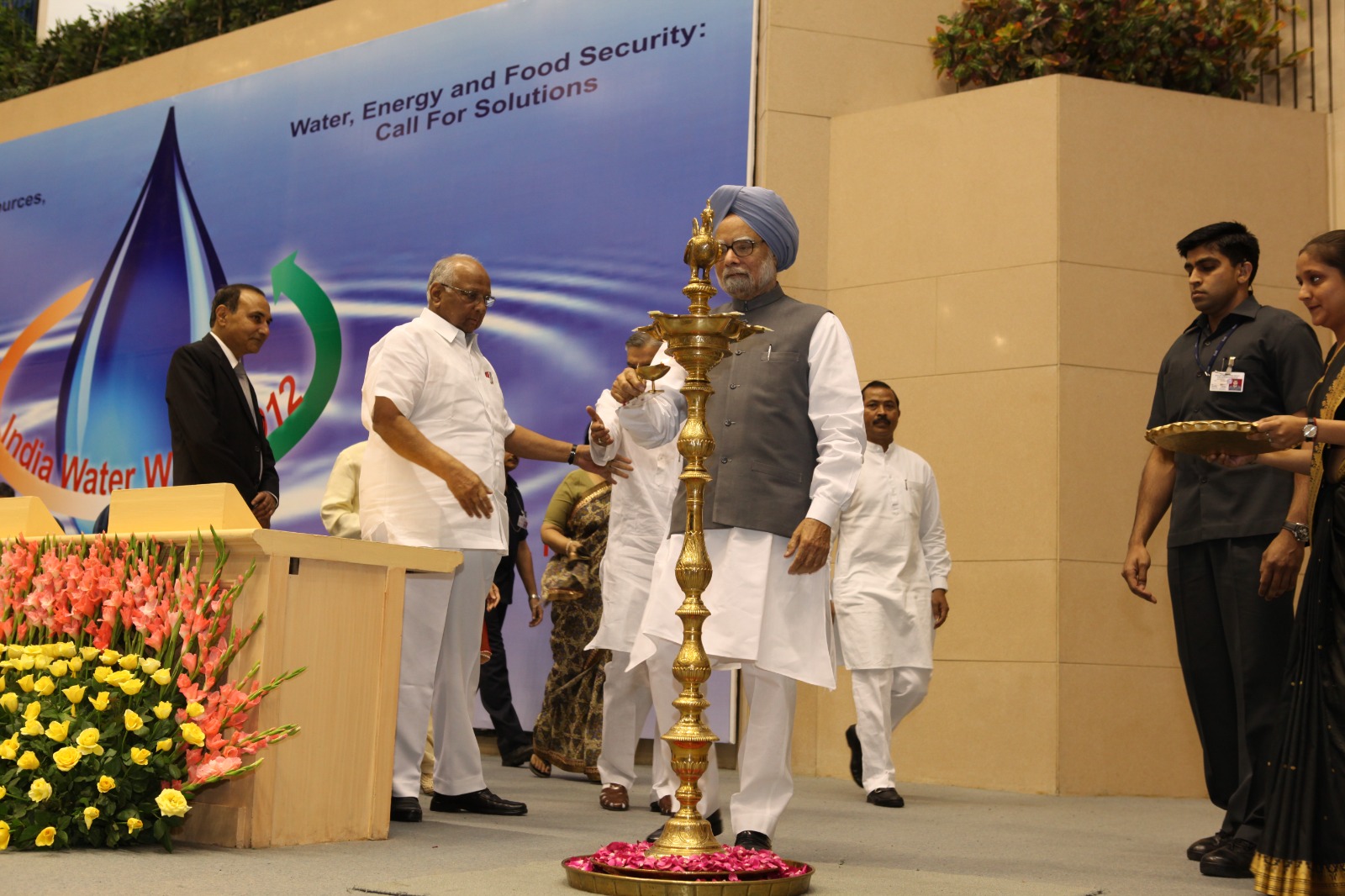
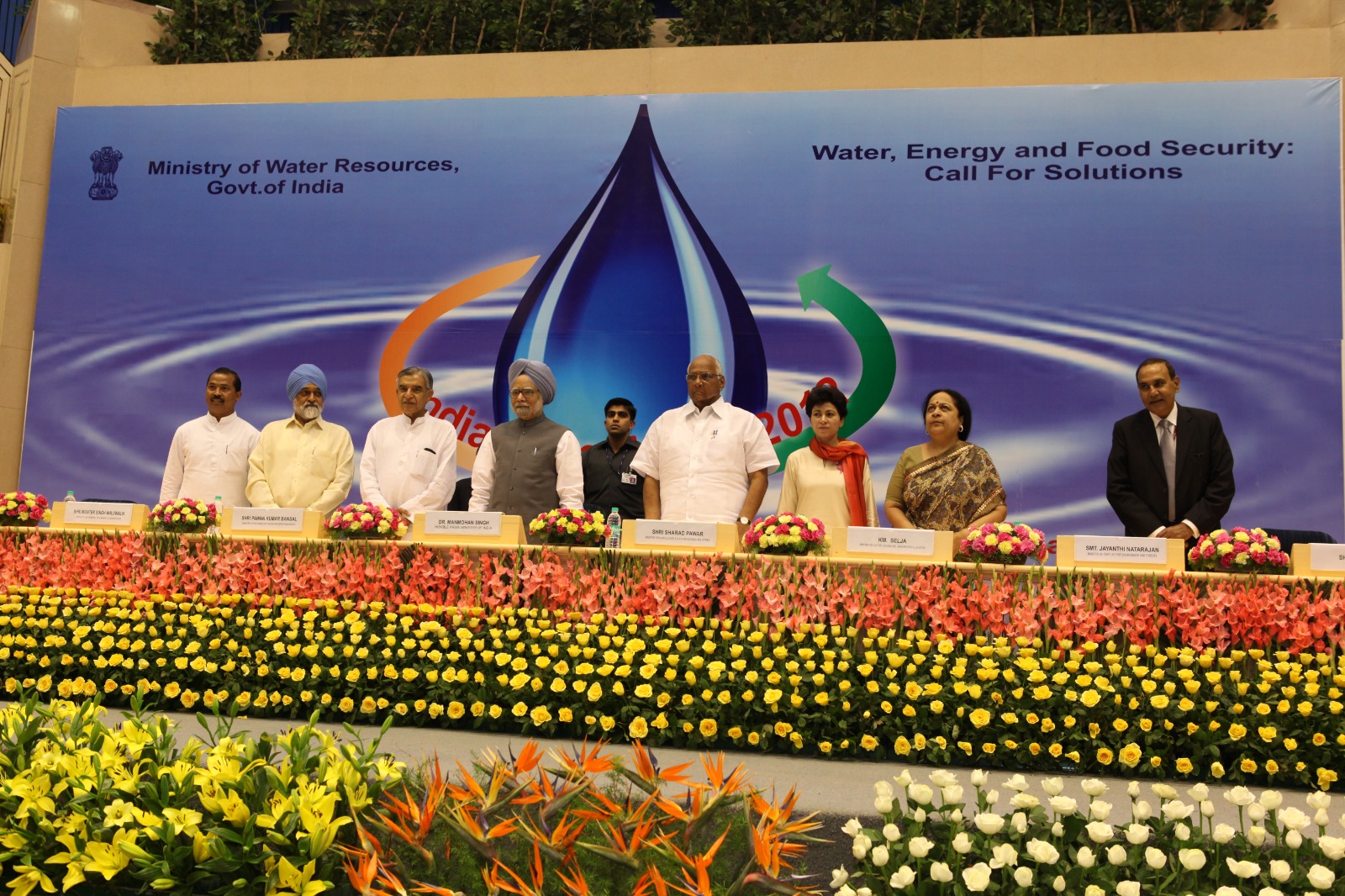
1st India Water Week
IWW 2012 • April 10-14, 2012
Theme: Water, Energy and Food Security – Call for Solutions
The inaugural edition of India Water Week focused on accelerating solutions at the nexus of water, energy, and food security. Experts, policymakers, and practitioners converged to deliberate on actionable strategies across twelve sub-themes that addressed governance, infrastructure, innovation, risk management, and community participation.

1. Integrated Water Resources Management
- a) Experiences in river basin management.
- b) Modalities or innovative approaches for sharing benefits of inter-state and transnational rivers.
- c) Water allocation among users and uses.
- d) Surface water quality management.
- e) Multi-stakeholder participation in water resources management.
- f) Integrated water resources management and water efficiency plans.
- g) Water and the millennium development goals.
2. Water and Infrastructure Development
- a) Human well-being and ecosystem conservation.
- b) Development and management of urban and rural water supply and sanitation.
- c) Water resources for rural development.
- d) Emerging technologies and innovative implementation methodologies.
- e) Water distribution systems and management.
- f) Wastewater treatment and related issues.
3. Water for Energy Security
- a) Water for energy, navigation, and sport.
- b) Water storage, dams, and hydropower development.
- c) Inter-basin transfer and redistribution of water.
- d) Energy recovery, conservation, reuse, and recycling in wastewater treatment.
4. Water for Food Security
- a) Demand and supply of water for current and future food production.
- b) Strategies to maximize water productivity in irrigated and rainfed agriculture.
- c) Managing water resources under scarcity and flood conditions.
- d) Innovative technologies for water saving.
- e) Water for poverty reduction and economic growth.
- f) Use of poor-quality water in irrigation.
5. Climate Change
- a) Climate change and adaptation measures.
- b) Strategies to address impacts on water availability.
- c) Database development for assessing climate change impacts.
- d) Water security implications of climate change.
6. Water Governance
- a) Legal and institutional frameworks.
- b) Water conflict prevention, resolution, and governance mechanisms.
- c) Emerging trends in international water law and conventions.
- d) Democratization of decision-making for water resources development.
- e) Role of private players in the water sector.
- f) Rehabilitation and resettlement issues.
- g) Public-Private-People Partnership (PPPP) in water projects.
7. Water Security and Risk Management
- a) Ensuring water security for human and ecosystem needs.
- b) Combating floods, droughts, and natural disasters.
- c) Legal and institutional frameworks for risk management.
- d) Planning for national and regional water security.
8. Economics and Financing of Water Projects
- a) Water demand management and efficiency pricing.
- b) Groundwater quality considerations.
- c) Financing options for water projects.
- d) Funding strategies for water quality and quantity management.
- e) Rehabilitation, modernization, and replacement financing.
- f) Pricing, regulatory issues, and implementation strategies.
9. Ground Water Management
- a) Assessing groundwater resources and sustainability.
- b) Groundwater quality improvements.
- c) People's participation in groundwater management.
- d) Artificial recharge strategies.
- e) Conjunctive use of surface and groundwater systems.
10. Urban and Rural Water Management
- a) Integrated approaches for urban, peri-urban, rural, and wastewater management.
- b) Ecological approaches in urban sanitation.
- c) Cost recovery for water and sanitation services.
- d) Women and community participation.
- e) Low-cost technologies for rural water development and employment generation.
- f) Loss prevention in storage and distribution networks.
11. Water and Health
- a) Demand assessment for drinking water and sanitation.
- b) Identification of safe water sources for habitations.
- c) Water quality and water-related diseases.
- d) Equity in urban water and sanitation management.
12. Capacity Building for Water Resources Management
- a) Changing paradigms and approaches to capacity development.
- b) Assessing capacity-building needs.
- c) Education and training for water resource development.
- d) Applied research and development for capacity building.
- e) Translating capacity development into field implementation.
- f) Using ICT for knowledge dissemination.
Image Gallery

×
![Enlarged Gallery Image]()